Budget Guidelines for Planning Basement Renovations
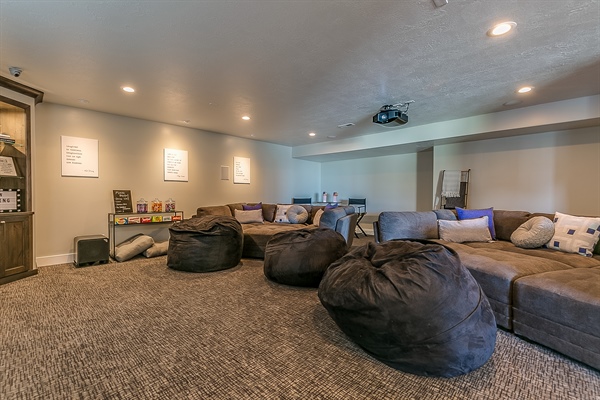
Basement remodeling offers a practical way to add living space, boost home value, and improve everyday comfort, without expanding your home’s footprint.
From turning a dim storage area into a cozy family room to creating a full guest suite, the options are wide-ranging. However, without a well-planned budget, costs can spiral out of control, or the project may stall. Knowing how to divide your budget—from core construction to optional upgrades—can make or break the renovation.
The process begins with understanding what expenses to expect and how to prioritize them. Should you invest in premium finishes or prioritize structural essentials? What hidden costs can sneak up? How much should you set aside for plumbing a bathroom or adding a kitchenette? These choices directly affect both your timeline and your total cost.
At Amigo Roofing, we’ve seen how strategic budgeting turns basement projects into long-term value. This article breaks down the core financial considerations to guide your renovation, from early planning through final touches.
Comparing Basic vs. Luxury Basement Renovation Costs
When planning a basement renovation, one of the first decisions homeowners face is choosing between a basic finish and a luxury upgrade.
A basic basement finish typically includes drywall, standard ceiling installation, basic lighting, standard-grade flooring, and minimal updates to plumbing or HVAC systems. These projects generally range from $30 to $50 per square foot, making them an ideal starting point for homeowners who prioritize utility and livable space without a heavy aesthetic investment. For example, finishing a 1,000 sq. ft. basement with basic elements may cost $30,000 to $50,000, depending on regional labor rates and materials.
In contrast, luxury basement upgrades involve higher-end materials, advanced infrastructure, and custom design. This might include premium vinyl plank or engineered hardwood flooring, recessed LED lighting with dimmer control, built-in entertainment centers, wet bars, or home theaters. These features significantly increase the cost, typically starting at $75 per square foot and rising to $120 per square foot or more for highly customized layouts.
Luxury finishes also require more extensive planning, potentially necessitating architectural drawings, structural modifications, and the involvement of specialty contractors.
Key differences also lie in the level of protection and longevity built into the renovation. Luxury projects often incorporate waterproofing systems, soundproofing, and smart climate control—elements that Amigo Roofing promotes in their basement remodeling services.
These features not only enhance comfort but can also reduce long-term maintenance costs.
Planning for Commonly Overlooked Basement Renovation Expenses
Even the most organized renovation can be disrupted by hidden costs.
One of the most common surprises comes from moisture issues discovered during demolition. If pre-existing leaks, mold, or inadequate insulation are uncovered, homeowners may need to invest in waterproofing solutions such as sump pumps, French drains, or sealed wall systems. These upgrades, while essential, can add $2,000 to $10,000, depending on the severity of the issue and the methods used.
Amigo Roofing recommends addressing these proactively to avoid future damage, as discussed in their home remodeling content.
Another frequent cost surprise arises from electrical and code compliance updates. Basements in older homes often require upgraded wiring, GFCI protection, or circuit panel expansion to support additional outlets, lighting, and appliances. Electrical upgrades can range from $1,500 to $5,000, depending on load requirements. Permit fees, structural reinforcements for new layouts, or asbestos abatement (in homes built before the 1980s) are additional potential expenses that are frequently overlooked in initial estimates.
Lastly, design revisions due to changing homeowner preferences or unforeseen structural limitations can affect both material and labor budgets. These mid-project changes not only cause delays but can also result in restocking fees or expedited shipping charges for specialty items. Being transparent with your contractor about design priorities upfront helps reduce these risks.
For more comprehensive preparation, reviewing options on home remodeling pages can help align your scope with your budget from the start.
Cost Considerations for Including Bathrooms and Kitchenettes in Basement Remodels
Adding a bathroom or kitchenette to a basement can significantly increase the total renovation cost due to the additional plumbing and utility requirements.
A standard half-bath installation typically ranges from $6,000 to $10,000, while a full bathroom with a shower or tub can cost between $12,000 and $20,000. These costs include rough-in plumbing, fixtures, waterproofing, and finishes. Basement plumbing is especially complex because it often requires breaking concrete to access drain lines or installing upflush systems for waste removal, both of which raise labor intensity.
Kitchenettes can range from $10,000 to $25,000, depending on features such as custom cabinetry, electrical circuits for appliances, and routing of water lines for sinks and dishwashers. Space planning is essential here—compact layouts using stackable appliances and open shelving can reduce material and installation costs while preserving functionality. Material choice (laminate vs. quartz countertops, stock vs. custom cabinets) will also significantly impact overall pricing.
To control costs, homeowners should obtain itemized quotes that separate the costs of plumbing, electrical, cabinetry, and finishes. Exploring previously completed remodels or speaking with service providers familiar with basement-grade materials can provide useful benchmarks.
Amigo Roofing’s expertise in space-efficient design and waterproofing ensures that these installations support both durability and usability under basement-specific conditions.
Timeline Milestones That Influence Basement Renovation Costs
Time is a critical cost driver in construction. One of the first timeline-sensitive factors is permit approval. Delays in municipal approval can create gaps in contractor scheduling, leading to labor cost increases or availability issues. Depending on your jurisdiction, permits can take anywhere from one to six weeks to process.
During this period, material prices may fluctuate due to inflation or changes in the supply chain, especially for imported fixtures or specialty flooring products.
Demolition and rough-in stages are particularly vulnerable to delays caused by unexpected structural issues or the need for inspections. If a wall needs to be re-framed or ductwork relocated, this can extend project duration by days or weeks, increasing labor and overhead costs. Additionally, timelines that extend into colder seasons may incur extra heating costs for worker comfort or to ensure the correct curing of adhesives and paints in a basement setting.
Custom orders for cabinets, lighting, or built-ins can also lead to cost overruns if not placed early in the timeline. Delays in material arrivals can cause scheduling gaps, resulting in contractor remobilization charges or rental equipment extensions. Homeowners should request a project calendar with milestones and confirm vendor lead times during the planning phase to ensure a smooth project execution.
This proactive step supports both scheduling accuracy and cost containment.
Building a Realistic 10–15% Budget Contingency for Basement Renovations
Creating a financial buffer is a standard practice among seasoned renovators.
The most effective approach is to calculate 10–15% of the total projected renovation cost and set this aside in a dedicated contingency fund. For example, if your total estimate is $60,000, a $6,000 to $9,000 buffer allows room for unforeseen expenses. This buffer should be treated as a mandatory line item rather than an optional reserve to maintain fiscal discipline throughout the project.
Contingency funds are often necessary for unforeseen conditions, such as water damage behind walls, code-mandated upgrades, or availability issues that necessitate higher-cost substitute materials. Homeowners should also consider allocating part of this buffer to accommodate change orders prompted by design updates or family needs that may arise during the project. The contingency should be kept liquid and easily accessible, such as in a high-yield savings account or reserved line of credit.
One way to minimize reliance on the contingency is to work with professionals who offer detailed estimates based on similar basement conditions. Comprehensive assessments such as those provided by Amigo Roofing reduce guesswork, helping homeowners set more accurate financial expectations upfront.
Transform Your Basement With Expert Planning and Trusted Support
A successful basement renovation begins with a well-planned, informed budget.
Smart budgeting helps you balance essentials like basic finishes with higher-end upgrades, account for hidden costs, and prepare for complex additions such as bathrooms or kitchenettes. Homeowners who factor in how seasonal demand impacts labor and material costs—and who build in a 10–15% contingency—are better equipped to stay on track and budget.
These steps reduce the risk of unexpected expenses and provide you with flexibility to adjust as the project progresses.
Amigo Roofing has extensive experience in managing basement renovations throughout White Bear Lake and its surrounding areas.
We focus on key elements like waterproofing systems, layered lighting, optimized storage, and energy-efficient improvements. Every project is treated as a lasting investment in your property and comfort. Whether you're building a family room, guest suite, or creative studio, we combine solid construction practices with custom finishes that reflect your needs and vision.
Start your renovation with expert planning and support. Call Amigo Roofing at (651) 204-0177 or request your free estimate online. We’ll help you create a finished basement that adds lasting value and everyday enjoyment.