How Can You Identify Hidden Roof Damage Before It Becomes a Major Problem?
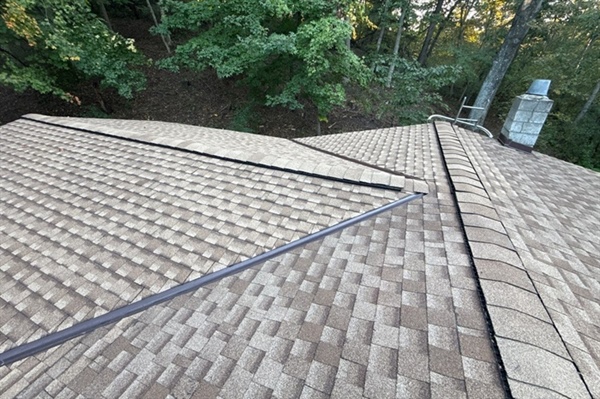
Hidden roof damage often develops quietly, long before visible leaks or structural issues appear inside a home. Shingles may look intact from the ground while moisture slowly works its way beneath roofing materials, weakening underlayment, decking, and insulation. Homeowners frequently discover these problems only after stains appear on ceilings or mold begins to develop in attic spaces. Recognizing the early indicators of concealed roof damage can prevent expensive structural repairs and protect the integrity of the entire building envelope. Understanding how roofing systems respond to weather exposure, aging materials, and storm impacts is the first step in identifying trouble before it escalates.
Roof systems are designed to withstand years of environmental stress, but subtle warning signs often appear before serious damage becomes obvious. Careful observation of water intrusion patterns, attic conditions, inspection technology, seasonal storm risks, and routine maintenance practices all play a role in detecting early problems. This article explores how small indicators such as moisture beneath shingles, attic ventilation changes, advanced inspection tools, storm-season monitoring, and preventative roof maintenance routines can reveal hidden issues early. Drawing on knowledge used by experienced professionals like Amigo Roofing, readers will gain a deeper understanding of how roof systems behave and how early detection can prevent widespread deterioration. To understand how roofing systems function and protect a structure, reviewing the fundamentals of roofing construction is an important starting point.
Subtle Signs of Water Intrusion Beneath Shingles and Early Roof Moisture Indicators
Water intrusion beneath shingles rarely begins with an obvious leak. Instead, moisture typically enters through microscopic openings around fasteners, aging sealant strips, or small shingle fractures caused by thermal expansion and contraction. These entry points allow rainwater to migrate beneath the outer roofing layer where it can accumulate on the underlayment or roof decking. Over time, repeated wetting and drying cycles degrade roofing materials and weaken structural wood components. Subtle clues such as uneven shingle coloration, slight shingle lifting, or granular loss may signal that moisture has already begun infiltrating the system.
Another early indicator involves shingle distortion patterns. Moisture trapped beneath roofing materials can cause localized expansion of wooden roof decking. As the wood absorbs water, it swells slightly, creating uneven surfaces that translate through the shingle layer. This may appear as faint rippling across roof slopes or subtle shadow lines when sunlight hits the roof at certain angles. These irregularities often occur long before interior ceiling damage becomes visible.
Moisture intrusion also affects roof ventilation and attic humidity levels. When water penetrates the roof system, evaporation from damp decking increases attic moisture. This can lead to condensation on rafters or insulation fibers. Observing moisture patterns near ridge vents, soffit vents, or flashing points may indicate early-stage infiltration. A deeper understanding of how roofing systems handle water flow and drainage can help explain why small surface defects sometimes lead to hidden moisture problems within a roofing system.
How Attic Inspections Reveal Structural Weakness and Hidden Roofing Damage
The attic space provides one of the most informative vantage points for evaluating the health of a roofing system. Because the underside of the roof deck is visible from the attic, inspectors can identify moisture stains, wood discoloration, and fungal growth that signal long-term water exposure. Even small leaks that never reach interior ceilings may leave evidence in attic spaces through darkened wood fibers or subtle mildew patterns along rafters and trusses.
Insulation condition also reveals important clues about roof integrity. When water infiltrates through damaged shingles or compromised flashing, insulation directly below the leak often becomes compressed or matted. Wet insulation loses its thermal resistance and may develop irregular density patterns that differ from surrounding material. These variations frequently indicate repeated moisture exposure rather than a single event.
Attic inspections can also uncover structural stress caused by wind uplift or severe weather events. High winds may partially loosen shingles or flashing components without completely detaching them. These disturbances allow small amounts of water to enter during storms. Identifying such vulnerabilities early is especially valuable after extreme weather conditions, since even minor wind damage may contribute to future storm damage if not detected.
Detecting Hidden Roof Damage with Infrared and Drone Inspection Technology
Advanced inspection technologies have improved the ability to detect concealed roofing damage that traditional visual inspections might miss. Infrared thermography is one method widely used in roofing diagnostics. Thermal imaging cameras detect temperature differences across roof surfaces, allowing inspectors to identify areas where moisture has accumulated beneath roofing materials. Wet insulation or saturated roof decking retains heat differently than dry materials, producing thermal patterns that reveal hidden moisture pockets.
Infrared imaging is particularly effective during evening hours when roof surfaces begin cooling after sunset. Areas containing trapped moisture release stored heat more slowly than dry sections, creating identifiable temperature variations. These thermal anomalies allow inspectors to pinpoint potential problem areas even when the roof surface appears intact.
Drone-based roof inspections have also become increasingly common. Drones equipped with high-resolution cameras can safely capture detailed images of steep or complex roof structures. This aerial perspective allows inspectors to examine flashing systems, ridge caps, valleys, and drainage areas that are difficult to evaluate from ground level. Combining drone imaging with thermal analysis can significantly improve the detection of hidden damage patterns within roofing systems.
Optimal Roof Inspection Frequency During Severe Storm Seasons
Regions that experience frequent thunderstorms, hail events, or high winds place considerable stress on roofing systems. Each storm exposes shingles, flashing, and sealants to impact forces and pressure changes that may gradually weaken the roof structure. Regular inspection schedules during storm-heavy seasons help identify damage before repeated weather events compound the problem.
Many roofing experts recommend conducting inspections both before and after peak storm periods. Pre-season inspections establish a baseline condition for the roof and identify aging materials that may be vulnerable to upcoming weather. Post-storm inspections focus on detecting impacts from hailstones, wind-driven debris, or lifted shingles that may allow water penetration.
Storm seasons often bring multiple weather events within short timeframes. A roof that sustains minor damage during one storm may experience accelerated deterioration during the next. Monitoring roof surfaces, attic spaces, and drainage systems throughout the season allows property owners to track subtle changes that could indicate progressive damage.
Preventative Roof Maintenance Steps That Help Identify Hidden Damage Early
Routine roof maintenance is one of the most effective strategies for detecting concealed damage before it escalates into structural failure. Many early warning signs become visible during simple maintenance activities such as clearing roof valleys, cleaning gutters, and examining flashing around chimneys or skylights. Debris accumulation in drainage pathways can trap moisture against roofing materials, increasing the risk of water infiltration beneath shingles.
Regular gutter maintenance also plays a role in identifying roof problems. Shingle granules frequently accumulate in gutter systems as roofing materials age. While some granule loss is normal, excessive buildup may indicate advanced shingle deterioration. Monitoring granule accumulation can provide insight into the condition of the roof surface and signal when further evaluation is warranted.
Maintenance inspections often include reviewing sealants, flashing joints, and roof penetrations where plumbing vents or mechanical systems pass through the roof surface. These areas experience constant thermal movement and may develop microcracks over time. Systematic evaluation of these components helps uncover vulnerabilities that might otherwise remain hidden. Property owners seeking more detailed information about professional roofing evaluations often review services offered by Amigo Roofing to understand the full scope of inspection and maintenance practices used in the industry.
Professional Roof Inspections and Early Damage Detection
Hidden roof damage rarely appears without warning. Small indicators such as moisture beneath shingles, attic discoloration, irregular thermal patterns, or gradual material deterioration often develop long before structural problems become obvious. Identifying these warning signs early helps prevent expensive repairs, interior water damage, and long-term structural weakening. A thorough inspection process that evaluates roof surfaces, attic conditions, drainage systems, and storm-related impacts provides a comprehensive view of roof health.
Amigo Roofing works with homeowners and property managers to evaluate roofing systems for early signs of damage, including storm impacts, moisture intrusion, and aging materials. Their experience with residential and commercial roofing systems allows for detailed inspection methods that examine shingle conditions, flashing systems, ventilation components, and structural decking. These evaluations help identify issues that may otherwise remain hidden until significant deterioration occurs.
Property owners who want a detailed roof evaluation or have concerns about possible hidden damage can reach out to Amigo Roofing at (651)-204-0177 or visit their office at 1803 Buerkle Road Suite 102, White Bear Lake, MN 55110. For more information about inspection services or to schedule an evaluation, visit their website or contact us to speak with their team.