How Can You Tell If Your Roof Needs Repair or Full Replacement After a Storm?
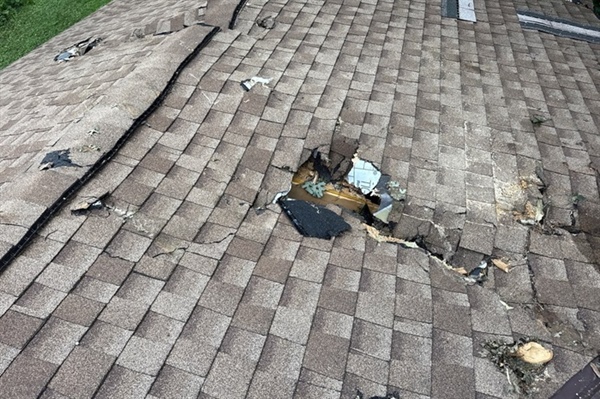
Severe storms can leave homeowners wondering what actually happened to their roof. High winds, hail, and flying debris often cause visible damage, but some of the most serious issues are not always obvious from the ground. Shingles may be lifted or fractured, protective granules can be stripped away, and water intrusion may begin slowly inside the roofing system. Determining whether a roof requires a targeted repair or a full replacement depends on the type, severity, and location of the damage. These assessments require careful evaluation of materials, structural components, and the roof’s overall condition.
Understanding how roofing professionals analyze storm impacts can help property owners make informed decisions after extreme weather. In the sections ahead, readers will learn about cost differences between repair and replacement, how contractors distinguish structural damage from cosmetic wear, and how repeated storms can weaken roofing systems over time. Additional discussion will cover how a roof’s age influences repair decisions and how manufacturer warranties affect the outcome of storm damage claims. These factors play a major role in determining the correct solution when storm damage affects a home. Companies such as Amigo Roofing regularly evaluate these conditions to determine the most appropriate course of action after severe weather events.
Cost and Process Differences Between Roof Repair and Full Roof Replacement
The cost and process of repairing a roof differ substantially from replacing the entire roofing system. Roof repairs typically address isolated areas of damage, such as missing shingles, punctures from debris, or small sections where wind uplift has compromised materials. These repairs involve removing damaged shingles or components, replacing the affected materials, resealing the area, and restoring proper waterproofing layers. Because repairs are localized, the overall labor and material costs remain significantly lower than a full roof replacement.
A full roof replacement involves removing all existing roofing materials down to the decking layer and installing an entirely new roofing system. This process includes inspecting the structural decking, replacing any compromised wood sheathing, installing new underlayment, flashing, ventilation components, and then installing new shingles or roofing materials. Replacement projects require more labor hours, additional materials, and sometimes structural corrections, which is why they carry higher costs than targeted repairs.
The decision between repair and replacement often depends on how widespread the damage is and whether the roof system still performs effectively as a barrier against moisture. If damage is limited to small areas and the surrounding materials remain structurally sound, repair is usually sufficient. However, when damage affects multiple sections of the roof or compromises the underlying protective layers, a complete replacement may be recommended. Roofing professionals experienced in storm damage evaluation carefully analyze the extent of impact before recommending the most appropriate solution.
How Roofing Contractors Evaluate Structural Damage Versus Cosmetic Damage
Roofing contractors rely on systematic inspection procedures to determine whether storm damage is structural or cosmetic. Cosmetic damage affects the appearance of roofing materials without significantly reducing their protective function. Examples include minor scuffing of shingles, slight discoloration from hail impact, or superficial granule displacement that does not expose the asphalt layer beneath. These types of damage may alter the roof’s visual appearance but often do not immediately compromise waterproofing performance.
Structural damage, by contrast, directly affects the roof’s ability to protect the home from moisture intrusion and environmental exposure. This includes cracked shingles, torn flashing, lifted shingle tabs caused by wind uplift, punctures from debris, or damage that exposes underlayment and decking. Structural damage may also occur when hail impacts fracture the fiberglass mat within shingles, weakening the material’s long-term durability.
Professional inspectors often examine shingle flexibility, granule loss patterns, and underlying layers to distinguish between cosmetic and structural concerns. They may also review the roof’s ventilation systems, flashing installations, and underlayment integrity to verify that the entire roofing system remains intact. Comprehensive inspections of roofing systems help determine whether localized repairs are adequate or whether larger sections of the roof have lost their protective function.
How Repeated Storm Events Can Weaken Roof Integrity Over Time
Roof systems are designed to withstand environmental exposure, but repeated storm events can gradually reduce their structural performance. Each storm introduces stress factors such as wind uplift pressure, hail impact energy, rapid temperature fluctuations, and heavy precipitation. Even when individual storms cause only minor damage, repeated exposure can accelerate the aging process of roofing materials.
Hail impacts are particularly damaging because they can fracture the internal fiberglass reinforcement of asphalt shingles. These fractures are not always visible from the surface but can weaken the shingle’s ability to resist future weather events. Over time, these compromised areas may allow moisture to penetrate deeper layers of the roofing system, increasing the risk of leaks and internal structural deterioration.
Wind exposure also contributes to long-term degradation. Strong gusts can repeatedly lift shingle edges, weakening the adhesive strips that hold shingles in place. Once these seals are compromised, future storms can more easily remove or displace shingles entirely. Multiple storm cycles can therefore transform small areas of damage into widespread system failure if underlying materials gradually lose their ability to resist environmental forces.
How the Age of a Roof Influences Repair Versus Replacement Decisions
The age of a roofing system is one of the most influential factors when determining whether repairs are practical or whether replacement is more appropriate. Most asphalt shingle roofs are designed to last between 20 and 30 years depending on material quality, installation methods, and environmental exposure. As roofing systems approach the end of their service life, the materials naturally become less flexible and more susceptible to cracking, granule loss, and water intrusion.
When a relatively new roof experiences storm damage, repairs are often effective because the surrounding materials remain structurally strong. Replacement shingles can integrate properly with the existing roof system, maintaining consistent performance and appearance. However, when a roof is already nearing the end of its lifespan, repairs may only provide short-term relief because the remaining materials are already deteriorating.
Older roofs also face challenges related to compatibility with modern materials and installation standards. Roofing components such as underlayment, flashing systems, and ventilation designs have evolved significantly over the past several decades. When damage occurs on an aging roof, replacing the entire system often provides a more reliable solution than attempting repeated repairs on materials that have already exceeded their expected service life.
How Manufacturer Warranties Affect Repair or Replacement Decisions
Manufacturer warranties play an important role when determining whether damaged roofing materials should be repaired or replaced. Roofing warranties typically cover defects in materials for a specified time period, often ranging from 20 years to lifetime coverage depending on the product. These warranties may include provisions related to manufacturing defects, premature material failure, or specific performance guarantees under normal environmental conditions.
Storm damage itself is generally not covered under manufacturer warranties because extreme weather is considered an external event rather than a material defect. However, warranties still influence repair decisions because certain damage patterns may indicate defective materials rather than storm impact. When shingles fail prematurely due to manufacturing defects, warranty coverage may provide replacement materials for affected sections of the roof.
Warranty requirements may also dictate how repairs or replacements must be performed in order to maintain coverage. Manufacturers often require certified installation methods, approved underlayment systems, and proper ventilation to keep warranties valid. Homeowners researching repair or replacement options often review manufacturer warranty guidelines and consult experienced contractors such as Amigo Roofing to understand how warranty conditions affect the most appropriate solution.
Professional Storm Damage Roof Evaluation and Assistance
After severe weather affects a home, determining whether the roof requires repair or full replacement often requires professional inspection and documentation. Experienced roofing specialists evaluate shingle condition, flashing integrity, underlayment protection, and structural components to determine the extent of storm-related damage. These assessments help identify whether damage is isolated to small areas or if the entire roofing system has been compromised by wind, hail, or repeated storm exposure.
Amigo Roofing provides comprehensive roof inspections and storm damage assessments for homeowners evaluating the condition of their roof after extreme weather. Their team examines structural and cosmetic damage patterns, analyzes the roof’s remaining lifespan, and reviews manufacturer warranty considerations to help homeowners understand the available options. Property owners in White Bear Lake and surrounding communities often rely on professional inspections to determine whether repair work or full system replacement is necessary.
Homeowners seeking guidance on roof damage evaluations can contact us to schedule a professional inspection. Amigo Roofing is located at 1803 Buerkle Road Suite 102, White Bear Lake, MN, and can be reached by phone at (651)-204-0177. Their experienced roofing specialists help homeowners understand storm-related damage, evaluate repair options, and determine when a full roof replacement provides the most reliable long-term protection.