How Does Proper Roof Ventilation Protect Your Home Year-Round?
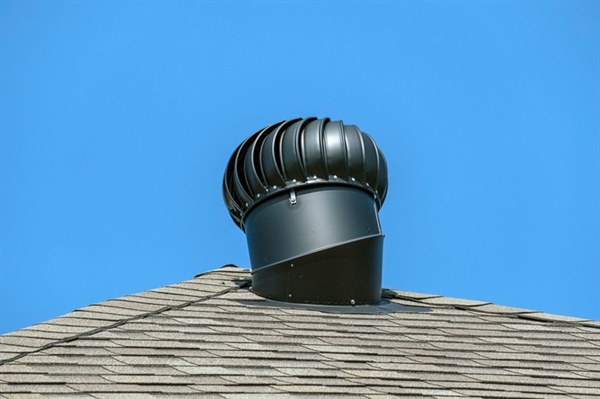
Roof ventilation is one of the most overlooked components of a roofing system, yet it plays a direct role in protecting a home throughout every season of the year. Proper ventilation allows air to move through the attic and roof structure in a balanced way, removing excess heat and moisture before it can damage structural materials. When airflow is restricted or poorly designed, heat and humidity become trapped beneath the roof deck. Over time, this can lead to issues such as mold growth, warped decking, premature shingle deterioration, and higher indoor energy costs. Homeowners often focus on shingles or flashing when thinking about roof performance, but ventilation is just as critical to the long-term health of a roofing system.
Effective ventilation works as a year-round defense system for the home. In colder climates, it helps prevent moisture accumulation and winter ice dams that can cause water to back up beneath shingles. During warmer months, ventilation reduces attic temperatures, which protects roofing materials and supports better indoor comfort. Roofing specialists, including Amigo Roofing, often explain that a well-designed attic airflow system contributes directly to the performance of residential roofing by stabilizing temperatures and controlling moisture. The sections below explore several key questions homeowners often ask about roof ventilation, including how poor ventilation contributes to mold, how it helps prevent ice dams, how it affects energy efficiency, how to identify warning signs of inadequate airflow, and how professionals evaluate ventilation during a roofing inspection.
How Poor Roof Ventilation Leads to Moisture Buildup and Mold Growth
Moisture accumulation in an attic often begins with everyday household activities. Cooking, showering, laundry, and even normal breathing release water vapor into indoor air. Warm air naturally rises through ceilings and into the attic space. If ventilation pathways are insufficient, that humid air becomes trapped beneath the roof deck. As the temperature fluctuates, the moisture condenses on cooler surfaces such as rafters, sheathing, and insulation. Over time this condensation can saturate building materials and create conditions where microbial growth can begin.
Mold and mildew thrive in environments where moisture and organic materials are present. Roof decking, wood framing, and insulation can all provide nutrients for mold colonies when persistent moisture is present. Scientific studies from building science organizations show that mold growth can begin within 24–48 hours when moisture levels remain elevated. Once mold develops in an attic, spores can spread through ventilation pathways into living spaces. This can degrade indoor air quality and weaken structural components of the roof system.
Proper attic ventilation helps remove humid air before condensation forms. Intake vents at the eaves allow cooler air to enter, while exhaust vents at the ridge or roof surface release warm, moisture-laden air. This balanced airflow cycle keeps humidity levels lower within the attic structure. Roofing professionals who work with residential roofing systems often emphasize that ventilation is not only about heat removal; it is also a key moisture management strategy that protects structural components from rot, mold, and premature deterioration.
The Role of Attic Ventilation in Preventing Winter Ice Dams
Ice dams form when uneven roof temperatures cause snow to melt and refreeze along the roof edge. Heat escaping from the home warms the upper portion of the roof, melting the snow layer above it. The meltwater then flows downward until it reaches colder areas near the eaves, where it refreezes. Over time, this process forms a ridge of ice that blocks proper drainage. As more snow melts, water backs up behind the ice dam and can penetrate beneath shingles, leading to interior leaks and ceiling damage.
Ventilation works together with insulation to maintain consistent roof temperatures. When cold outdoor air moves through attic intake vents and exits through ridge or roof vents, it reduces heat accumulation beneath the roof deck. This airflow keeps the roof surface closer to the outdoor temperature. A colder roof surface slows snowmelt, preventing the temperature differences that lead to ice dam formation.
Building science research shows that balanced attic airflow combined with proper insulation reduces the likelihood of ice dams by stabilizing roof temperatures across the entire surface. Without ventilation, trapped heat creates hot spots on the roof that accelerate melting. Controlled airflow removes excess heat and allows snow to remain frozen until it naturally melts during warmer conditions. In cold regions, ventilation design is considered a critical element of residential roof performance.
How Roof Ventilation Improves Energy Efficiency During Summer
During summer months, solar radiation can heat roof surfaces to temperatures exceeding 150°F. Without adequate ventilation, this heat transfers into the attic space and radiates downward into the home’s interior. Attic temperatures in poorly ventilated homes often exceed outdoor air temperatures by 40–60 degrees. This excessive heat forces air-conditioning systems to work harder to maintain indoor comfort.
Ventilation reduces this thermal buildup by allowing hot air to escape through exhaust vents while drawing cooler air through soffit or intake vents. The constant exchange of air prevents heat from accumulating beneath the roof deck. Lower attic temperatures reduce the amount of heat that transfers into living spaces, decreasing the load placed on cooling systems.
Energy efficiency research conducted by building performance organizations demonstrates that improved attic ventilation can reduce cooling costs by limiting heat gain through ceilings and ductwork located in attic spaces. Proper airflow also protects roofing materials from excessive thermal stress. Shingles exposed to prolonged high temperatures may age faster, lose granules more quickly, and experience reduced lifespan. Ventilation therefore supports both energy efficiency and long-term roofing durability.
Common Warning Signs of Inadequate Roof Ventilation
Several physical indicators can suggest that an attic ventilation system is not functioning properly. One of the most common signs is excessive attic heat during warm weather. Homeowners who enter an attic and experience extreme heat or stagnant air may be observing the effects of trapped thermal energy. Another warning sign is the presence of condensation on rafters or roof decking during colder months, which indicates moisture is not being properly removed.
Visible mold growth or dark staining on wood surfaces within the attic can also signal prolonged humidity issues. Mold often appears as black, green, or gray discoloration on the underside of the roof deck or on structural framing members. Wet or compressed insulation may indicate that condensation has been forming repeatedly over time. These conditions can reduce insulation effectiveness and contribute to energy loss within the home.
Exterior roof symptoms may also reveal ventilation deficiencies. Premature shingle deterioration, curling edges, or blistering can occur when excessive heat builds up beneath the roof surface. In winter, repeated ice dam formation along the roof edge often suggests uneven roof temperatures caused by inadequate airflow. Identifying these warning signs early helps prevent more extensive structural damage within the roofing system.
How Roof Ventilation Is Evaluated During a Professional Roofing Inspection
A roofing inspection typically includes a detailed assessment of both the exterior roof components and the attic ventilation system. Inspectors evaluate the presence and condition of intake vents, exhaust vents, ridge vents, and other airflow pathways. They determine whether the ventilation layout follows balanced airflow principles, meaning the intake vent area is properly matched with the exhaust vent area to promote continuous air movement.
Inspectors also measure attic conditions such as temperature, humidity, and insulation placement. Excessive heat or moisture levels can indicate blocked or insufficient ventilation. They examine the roof deck, rafters, and insulation for signs of condensation, mold growth, or moisture staining. These indicators reveal whether ventilation is effectively removing warm and humid air from the attic space.
Experienced contractors such as Amigo Roofing incorporate ventilation evaluation into broader roofing inspections because airflow directly affects the performance of roofing materials and structural components. By examining vent placement, airflow balance, and attic conditions, inspectors can identify ventilation deficiencies that may contribute to mold, energy inefficiency, or premature roof deterioration.
Professional Roofing Support for Ventilation and Roof Performance
Proper roof ventilation affects every part of a roofing system, from moisture control to seasonal energy performance. When airflow pathways are designed correctly, they help prevent mold growth, reduce the risk of ice dams during winter, and limit excessive attic heat during summer. Ventilation also protects structural components such as roof decking, insulation, and shingles by maintaining stable temperature and humidity conditions throughout the year.
Amigo Roofing provides roofing expertise designed to address these ventilation challenges as part of a complete roofing system evaluation. Their team reviews attic airflow, vent placement, insulation interactions, and overall roof condition during inspections. This process helps identify whether existing ventilation is balanced and functioning properly or if improvements are needed to protect the roof structure.
Homeowners who want to learn more about ventilation performance, roof inspections, or residential roofing solutions can reach out to Amigo Roofing directly. The company is located at 1803 Buerkle Road Suite 102, White Bear Lake, MN, and can be reached at (651)-204-0177. To schedule a consultation or ask questions about roof ventilation and inspection services, visit the company online and contact us to speak with a roofing professional.