How Hail Damage Affects Your Roof Over Time If Not Repaired
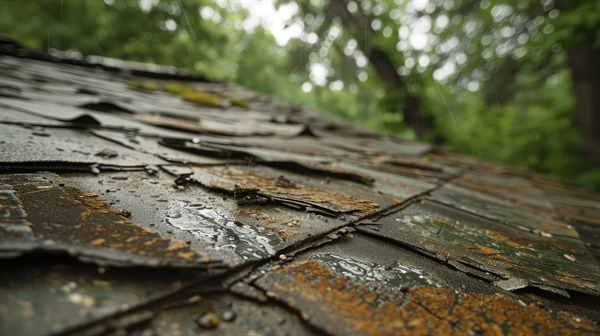
When a hailstorm hits, the immediate concern is often visible damage—dented cars, shredded plants, or shattered windows. But what many homeowners don’t realize is that hail can quietly compromise a roof’s integrity long after the storm passes.
These impacts, while sometimes subtle, can evolve into serious problems if ignored. Shingles, in particular, bear the brunt of hail’s force, and what appears as a small bruise or dent can slowly degrade the roofing structure beneath. Over months or even years, the results of unaddressed hail damage can show up in costly repairs, reduced insulation, and even interior leaks.
Even when the damage isn't visible from the ground, the underlying roofing materials may be cracked or stripped of their protective granules. Water can begin to seep into the layers of your home, leading to structural deterioration, mold, and insulation breakdown.
At Amigo Roofing, we understand the long-term effects of hailstorms across Minnesota's climate extremes. While your roof may look intact, damage from a single storm event can silently chip away at its lifespan and performance.
In this article, we’ll break down five key concerns every homeowner should understand. Each of these topics holds valuable insight into how your roof might be vulnerable—and why addressing these issues promptly matters. Learn how small damage today can become a major issue tomorrow, especially when it comes to storm damage.
Untreated Hail Damage on Shingles Can Lead to Costly Structural Issues
Hailstones may seem harmless once the storm clears, but they can leave behind microscopic fractures and bruises on asphalt shingles that worsen over time. Even small dents caused by hail can displace granules—the protective top layer of a shingle.
Once these granules are removed, the underlying asphalt becomes exposed to UV rays, accelerating the shingle’s aging process. Cracks can also form from the impact and temperature fluctuations, allowing water to penetrate beneath the roofing system.
As the damage progresses, shingles lose their ability to repel water efficiently. Moisture can seep into the decking and underlayment layers, causing the wood to rot and the insulation to degrade.
Over multiple seasons, this moisture exposure may lead to mildew growth and long-term structural instability. Amigo Roofing emphasizes that without immediate attention, minor hail damage can transform into major roofing system failures, often unnoticed until significant repair is needed.
Routine inspections after severe weather events can help homeowners identify early signs of storm damage, particularly on aging or already compromised shingles. In regions like Minnesota, where seasonal changes can intensify the effects of existing damage, addressing hail impact quickly can preserve the roof’s integrity and avoid costly repairs down the line.
How Hail-Damaged Roofs Lead to Interior Water Penetration
When hailstones strike a roof, they can compromise both the outer shingles and the underlying waterproof layers. While the initial damage may not be visible from the ground, even small cracks or bruises on the surface can disrupt the roofing system's ability to repel water.
Over time, as rain, snow, and ice melt seep into these compromised areas, water begins to migrate beneath the surface. The result is hidden infiltration that slowly works its way into your attic or insulation layers.
Interior water leaks often develop far from the original point of hail impact. Once the protective barrier is broken, water follows the path of least resistance, soaking insulation, saturating wooden beams, and eventually staining ceilings and walls.
These leaks are more than just cosmetic—they’re indicators of systemic roof failure. Amigo Roofing’s experience in assessing water migration paths after storm damage highlights how easily overlooked hail impacts can create major internal issues if not addressed swiftly.
Homeowners should pay attention to signs such as bubbling paint, peeling drywall, or mold smells after storms. These often stem from undetected roof punctures or material fractures. A post-storm inspection and repair service like Amigo’s roofing services can identify weak points early and help prevent major water-related repairs in the future.
Can Cosmetic Hail Damage Compromise Your Roof Warranty?
While it might seem that minor dents or granule loss are purely aesthetic issues, they can directly impact your roof’s manufacturer's or workmanship warranty. Most roofing warranties require the roof to be maintained in good condition, and this includes taking prompt action when damage occurs, even if it appears minor.
When hail removes granules from asphalt shingles, it weakens their ability to reflect sunlight and protect the layers beneath, potentially accelerating wear beyond the manufacturer’s specifications.
Manufacturers often specify that damage caused by "external forces" like hail is not covered unless promptly reported and inspected. This creates a risk where even minor damage, if left unaddressed, might lead to a claim denial.
Roofing warranties are also voided if the installation guidelines are violated—something that can occur unintentionally when attempting to patch hail damage without professional oversight.
At Amigo Roofing, our inspection processes are aligned with industry standards to document damage properly, ensuring homeowners can act within warranty requirements.
Homeowners are encouraged to review their warranty terms after any significant storm. Ignoring small signs of hail damage may not only lead to structural degradation but also compromise your eligibility for warranty claims. A detailed inspection from a certified professional after any significant weather event is often necessary to protect both your home and your warranty coverage.
Why Early Detection of Hail Damage Extends Roof Longevity
Early detection of hail damage is critical for maintaining the functional lifespan of a roof. Undiagnosed or delayed repairs allow small issues—such as fractured shingles or punctured membranes—to escalate into major structural problems.
A small crack caused by hail can expand during freeze-thaw cycles, letting moisture seep deeper into the roofing system. Over time, this not only leads to rot and mold but also accelerates the decline of the roof’s performance and integrity.
Routine inspections following severe weather are a proactive strategy that helps homeowners identify and address issues before they become costly repairs. According to industry standards, the sooner damage is documented and repaired, the longer the roofing system can perform within its designed service life.
Amigo Roofing’s inspection methods emphasize detecting subtle signs that untrained eyes often overlook, especially in homes exposed to repetitive storm activity or older installations nearing their expected lifespan.
By recognizing and repairing hail damage early, homeowners reduce the risk of premature roof failure and extend the useful life of the materials. This proactive approach not only saves money in the long term but also preserves the home’s energy efficiency and protection from the elements.
Understanding Hail Damage Across Various Roofing Materials
Different roofing materials respond differently to hail impact. Asphalt shingles, one of the most common residential materials, are especially vulnerable to granule loss and bruising. Hail can compress or fracture the mat beneath the surface, leaving the shingle susceptible to UV exposure and eventual leaks.
Wood shake roofs may crack or split upon impact, compromising their natural resistance to water and leading to decay. Metal roofing is more impact-resistant but can still suffer from cosmetic dents that may affect aesthetics or protective coatings over time.
Tile roofs, while durable, can shatter under large hailstones, exposing underlayment and decking. In contrast, rubber or polymer-modified roofing systems often absorb hail better, but even they can suffer from punctures if the impact is forceful enough or the materials are aging.
Amigo Roofing’s product knowledge spans all these categories, ensuring inspections are customized for the material type and its known vulnerabilities to storm-related damage.
Material selection should also consider regional storm frequency and severity. For instance, homes in Minnesota must factor in hail size, frequency, and freeze-thaw cycles.
Regardless of the material, hail can compromise any roof when impacts go unchecked. To learn more about what Amigo Roofing can do to assess and protect your roofing system, contact Amigo Roofing today.
Protect Your Roof with Professional Help from Amigo Roofing
Amigo Roofing specializes in identifying and addressing storm-related roof issues across Minnesota. Our trained inspectors understand how to evaluate damage specific to asphalt, metal, tile, and flat roofs.
With services tailored to regional weather conditions and industry-backed best practices, we help homeowners avoid escalating repairs and ensure their warranty coverage remains intact.
If your roof has recently weathered a storm, don’t wait for leaks or structural issues to appear. Request a free estimate and let our team guide you through the best options for repair or replacement.
Visit us at Amigo Roofing or call us at (651)-204-0177. Protect your home before minor damage turns into major expenses.