Maximize Roof Warranty & Longevity With Pro Maintenance Tips
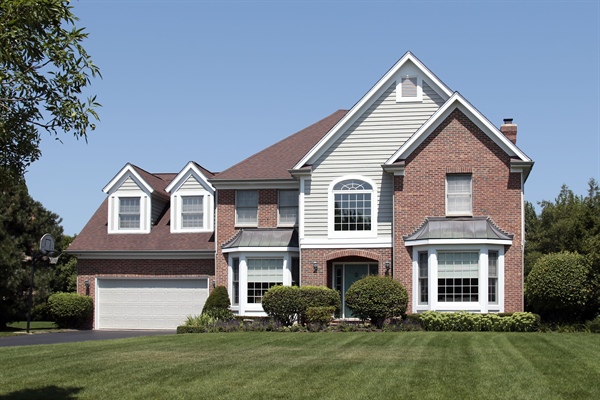
When you invest in a new roof, you expect it to last for decades, standing firm against Minnesota’s harsh winters, spring storms, and sweltering summers. But even the best-installed roof won’t perform at its peak without ongoing care.
Whether it’s preventing moss growth, catching granule loss early, or sticking to a seasonal maintenance schedule, the actions you take after installation play a critical role in your roof’s lifespan and your ability to keep your warranty valid.
Roof warranties can be voided due to negligence, and damage resulting from preventable wear is typically not covered by most policies. Homeowners are often unaware that something as simple as clogged gutters or untreated algae can shorten a roof’s life by years.
Regular, informed maintenance doesn’t just keep your shingles intact—it preserves the integrity of your investment. That’s why understanding what your roof needs throughout the year is just as important as choosing the right roofing contractor to begin with.
In this article, we’ll explain how you can maximize the lifespan and protection of your roof. Whether you’re a new homeowner or recently replaced your roofing system, this guide from Amigo Roofing will help you make the most of your investment. Learn more about residential roofing options while we explore the habits that protect your home and preserve your roof’s warranty.
Effective Cleaning Techniques to Prevent Moss Growth & Granule Loss
Routine roof cleaning is essential for maintaining a roof’s structural integrity and appearance. Moss thrives in damp, shaded environments and can cause shingles to lift, trap moisture, and deteriorate faster. To prevent this, homeowners should keep roof surfaces clear of organic debris such as leaves, pine needles, and twigs. Use a leaf blower or a soft-bristle broom to gently remove buildup.
High-pressure washing is discouraged, as it can strip away protective granules from asphalt shingles. Instead, apply a 50:50 water and bleach solution to affected areas to kill moss and algae, followed by a low-pressure rinse.
Granule loss accelerates when moss and algae are left untreated. These biological growths create pockets of moisture that degrade the shingle surface over time. Installing copper or zinc strips along roof ridges helps prevent moss regrowth by releasing metal ions during rainfall, which naturally inhibit spore development.
Keeping gutters clean and trimming overhanging branches can reduce shaded areas and limit water retention, both of which encourage moss growth and shingle wear.
Establishing a regular cleaning schedule, particularly in spring and fall, keeps the roof surface dry and clean. For homes in climates like White Bear Lake, seasonal storms and humidity make it even more important to be proactive. Learn more about the importance of residential roofing upkeep to maintain both warranty and lifespan.
How to Identify Early Signs of Shingle Deterioration & Granule Shedding
Spotting shingle damage early can significantly extend the life of your roof and prevent warranty issues. Begin with a visual inspection from the ground or use binoculars to look for curling, cracking, or missing shingles.
These are often the first indicators of UV degradation or mechanical damage. Dark streaks may signal algae growth, while shiny patches or uneven coloring can indicate excessive granule loss. Accumulated granules in gutters and downspouts are also a sign that shingles are wearing faster than normal.
Granules serve as a protective layer against sunlight and impact. Their loss can expose the asphalt coating beneath, leading to rapid deterioration.
Examine areas around chimneys, vents, and valleys—these are prone to wear due to water concentration and structural movement. If a shingle appears smooth or discolored compared to others, it may be a sign that the granules have washed away.
Conduct inspections after severe weather events, as hail and wind can dislodge granules or crack shingles outright.
Routine monitoring enables homeowners to document wear patterns and seek minor repairs before they escalate. While some damage is visible, other issues, such as underlayment degradation or moisture penetration, require closer inspection from a roofing professional.
Regularly tracking these symptoms allows you to maintain compliance with warranty conditions and extend the service life of your roof through early action.
Recommended Schedule for Professional Roofing Maintenance
Professional roof maintenance should be conducted at least once per year to identify and address issues that homeowners may miss. Spring and fall are ideal times for these inspections, allowing roofing professionals to assess damage from winter storms or prepare the structure for summer heat.
During these visits, technicians will examine flashing, inspect attic ventilation, reseal penetrations, and test drainage systems to ensure proper flow. A trained professional can also detect hidden moisture problems and structural weaknesses that aren't obvious in visual inspections.
More frequent checkups may be required for roofs over ten years old, homes surrounded by dense tree cover, or in regions experiencing frequent severe weather. In such cases, biannual visits are prudent. Post-storm inspections are especially important; damage from hail or wind may void a warranty if left unaddressed.
Roofing professionals can not only repair minor issues immediately but also document conditions for insurance claims and warranty validation.
Establishing a maintenance contract with a certified roofing contractor helps keep your roof in optimal shape and preserves your manufacturer’s and workmanship warranties. These services often include gutter cleaning, sealant touch-ups, and comprehensive reports, forming a documented record of care that supports long-term performance and durability.
The Impact of Maintenance Logs on Roofing Warranty Validity
Roof warranties typically require homeowners to maintain a consistent and verifiable record of upkeep. These maintenance logs provide evidence that the roofing system has been regularly inspected, cleaned, and repaired as needed.
Without proper documentation, warranty claims can be denied—even if the defect is manufacturer-related. Most warranties include clauses that void coverage if neglect or unaddressed wear is discovered.
A detailed log, including dates, services performed, photos, and contractor information, can protect homeowners in case of dispute.
Manufacturer warranties often stipulate care requirements such as debris removal, ventilation checks, and prompt leak repairs. For instance, neglecting to replace damaged flashing or allowing algae to thrive may be interpreted as homeowner negligence.
Logs are especially critical for high-value roofs with extended or limited lifetime warranties, where conditions are stricter. They serve as proof that environmental wear was not exacerbated by a lack of maintenance.
Digital logs or inspection reports provided by licensed contractors offer added credibility. Homeowners should store these records along with their warranty certificate and product registration details.
Some contractors offer cloud-based portals or maintenance packages that include record-keeping services, reducing the chance of administrative error. Keeping organized logs ensures you remain eligible for full warranty benefits.
Using Seasonal Roofing Checklists to Reduce Long-Term Damage
Seasonal roofing checklists are an effective strategy for preventing cumulative damage that leads to premature roof failure. Each season presents distinct challenges.
In winter, heavy snow and ice dams can put significant stress on the roofing structure, leading to leaks. Spring brings wind and rain, increasing the risk of flash damage or ponding water. Summer heat can cause shingles to curl and crack, while autumn’s falling leaves clog gutters and downspouts, leading to overflow and fascia damage.
A comprehensive checklist for each season helps homeowners stay ahead of these threats. Tasks include clearing debris, checking for mold, inspecting caulk and sealant, evaluating attic ventilation, and monitoring for pests or water stains indoors.
By following a consistent quarterly routine, homeowners minimize deterioration and identify repair needs early. This proactive care is often a requirement in extended warranty plans, which assume regular user-led inspection and upkeep.
Using a written or digital checklist ensures consistency over time and helps track maintenance history. Including checklists as part of your documentation also supports warranty claims and insurance processes. When paired with annual professional inspections, these routines form a robust defense against environmental wear, helping your roof last its full design life and beyond.
Why Amigo Roofing Is Your Partner in Long-Term Roof Performance
Maintaining your roof doesn’t have to be overwhelming. With the right routine—regular cleaning, early detection, professional inspections, clear documentation, and seasonal care—you can greatly extend the lifespan of your roof and ensure your warranty remains valid.
Homeowners in White Bear Lake and across Minnesota trust Amigo Roofing because of our dedication to transparency, expertise, and long-term results. Whether you need guidance on moss removal, want to confirm shingle integrity, or require a formal inspection to support your warranty claim, our team has you covered.
As a family-owned, minority-run business rooted in the local community, Amigo Roofing understands the specific challenges that Midwest weather places on your home.
We combine modern tools with old-school workmanship, helping our neighbors protect their homes year-round. Every service we offer—whether routine maintenance or storm damage assessment—is built on trust, documentation, and roofing expertise. We know what manufacturers expect and what your roof demands season after season.
When you’re ready to safeguard your roofing investment and ensure all warranty terms are met, contact Amigo Roofing. We’re just a call away at (651)-204-0177. Take the first step toward confident home protection by requesting a free estimate today, and get the expert maintenance you need to keep your roof performing like new.