Top Roofing Upgrades for Commercial Replacements: TPO, Insulation & More
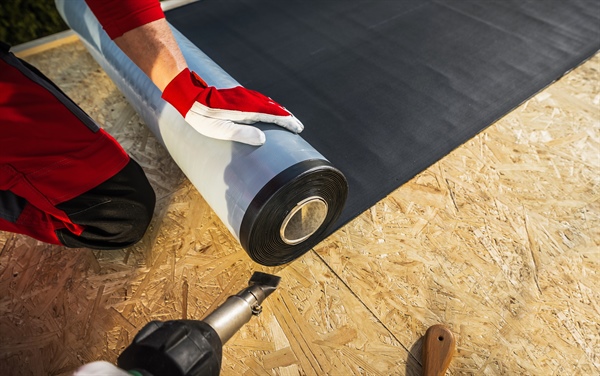
Choosing the right commercial roofing upgrades is not just about material selection—it’s about strategic investment in your building’s long-term performance.
Whether you’re weighing the durability of TPO versus EPDM membranes, exploring heavy-duty insulation for energy control, integrating solar technology, or adding enhanced flashing and coatings, each decision affects the lifespan, efficiency, and resilience of your commercial facility.
Amigo Roofing brings deep expertise in commercial systems that are engineered to meet today’s demanding performance standards while aligning with your budget and building requirements.
Durability Between TPO & EPDM
When evaluating membrane options during a commercial roof replacement, two of the most common choices are TPO (thermoplastic polyolefin) and EPDM (ethylene propylene diene terpolymer).
TPO is a single-ply white roofing membrane known for its reflective properties and resistance to UV, heat, and chemicals. It is typically installed using heat-welded seams that create a fused, monolithic bond. EPDM, on the other hand, is a synthetic rubber membrane with a long-standing reputation for weather resistance, often installed with taped or adhered seams.
Both materials are used extensively across commercial buildings, but differences in seam technology and long-term resilience set them apart when it comes to durability.
Heat-welded TPO membranes generally offer superior seam strength due to the nature of their installation method. Welded seams form a homogeneous bond, which is less prone to separation over time compared to the adhesive or tape seams used with EPDM.
In climates that experience frequent temperature swings, this can make TPO a better choice from a seam-integrity perspective. However, EPDM performs exceptionally well in cold environments and has a track record of lasting 25–30 years when properly maintained. Durability also depends on other factors, such as membrane thickness, installation quality, and exposure to rooftop equipment or foot traffic.
Both systems have proven durability in commercial settings, but heat-welded TPO membranes generally hold an edge in environments where UV exposure, chemical resistance, and seam strength are top priorities.
For businesses undergoing a replacement project, consulting with a contractor experienced in commercial roofing ensures the material selected matches the building’s unique performance needs and environmental conditions.
Should Commercial Buildings Use Heavy-Duty Insulation for Long-Term Energy Control?
Upgrading insulation during a commercial roof replacement can significantly influence long-term energy performance and operational costs.
Heavy-duty insulation systems—such as polyisocyanurate (polyiso), extruded polystyrene (XPS), or high-density mineral wool—offer superior thermal resistance (R-values) compared to standard options. These systems not only meet evolving energy code requirements but also improve internal climate control by reducing thermal bridging and air leakage.
For large commercial spaces with expansive roof areas, thermal inefficiencies can drive up heating and cooling demands. Enhanced insulation mitigates those losses, leading to measurable improvements in energy efficiency and cost predictability over time.
The choice to invest in premium insulation is also closely linked to building envelope strategy. A well-insulated roof reduces the burden on HVAC systems, often extending their service life.
In colder climates like Minnesota, insulation upgrades can prevent heat loss, condensation, and ice damming, which in turn reduces moisture intrusion risks. When paired with air and vapor barriers, insulation plays a critical role in managing both temperature and moisture movement within the roofing assembly.
Commercial buildings with high internal loads—such as manufacturing, medical, or educational facilities—stand to benefit the most from these enhancements.
Incorporating heavy-duty insulation also adds value from a regulatory and certification perspective. Properties aiming for LEED certification or ENERGY STAR recognition often find that roof insulation upgrades contribute directly to point thresholds.
Given the rising cost of energy and increasing emphasis on sustainability, upgrading insulation during replacement is both a proactive and strategic decision. For tailored recommendations aligned with your structure, consult a provider experienced in professional roofing services.
Integrating Rooftop Solar Systems with Commercial Roofing Structures
With the growing adoption of renewable energy, more businesses are exploring the integration of solar power during commercial roof replacement. Rooftop solar systems require structural compatibility, waterproofing precision, and electrical interconnectivity, making roof replacement the ideal time to plan for seamless integration.
Flat or low-slope commercial roofs are well-suited for ballasted or mechanically attached solar racking systems, and membrane types like TPO and PVC are particularly compatible due to their heat-weldable seams and smooth surfaces.
Proper planning ensures the roof system can support solar arrays without compromising the waterproofing layer or structural integrity.
Key considerations when preparing a roof for solar integration include load-bearing capacity, membrane type, and equipment layout. Structural engineering assessments can determine whether reinforcements are necessary.
Meanwhile, coordination between roofing and solar contractors is critical to ensure penetrations are sealed properly, racking systems are flashed correctly, and the system orientation maximizes solar exposure.
It's also wise to install conduit paths and equipment supports at the time of roofing to avoid future membrane disruption. Roofing upgrades like reflective TPO membranes can enhance solar panel efficiency by reducing ambient rooftop temperatures.
By designing for solar readiness during roof replacement, businesses streamline the path toward sustainability goals and avoid the cost of rework later. This approach protects both the building envelope and the investment in solar technology. Integrated planning from the start leads to longer system life, greater energy output, and fewer compatibility issues as technology evolves.
Enhanced Flashing Options That Increase Long-Term Leak Resistance
Flashing serves as a critical defense mechanism in any commercial roofing system, especially at joints, penetrations, and transitions. During a roof replacement, upgrading flashing components can significantly improve resistance to long-term water intrusion.
Traditional flashing methods—such as using metal or adhesive-backed membranes—are being replaced with more durable and form-fitting solutions. One such upgrade involves the use of prefabricated flashing boots and corners, which minimize field fabrication errors and deliver consistent waterproof performance.
Another advancement involves integrating reinforced liquid-applied flashing systems at complex penetrations. These systems form seamless barriers that bond directly to the membrane and substrates, reducing weak points that often develop with time.
Self-adhering membrane flashings with high elongation properties are also gaining popularity, especially in areas prone to expansion, contraction, or vibration. Choosing materials that are chemically compatible with the roofing membrane is essential to prevent adhesion failure.
Properly designed flashing systems also accommodate movement and expansion, especially on large commercial roofs with varying loads and multiple mechanical curbs.
Investing in upgraded flashing not only extends the service life of the roof but also reduces maintenance calls and warranty claims. For critical areas—such as skylights, HVAC curbs, drains, and parapet walls—enhanced flashing plays a key role in leak prevention and ensures long-term roof performance in all weather conditions.
Evaluating the HVAC Savings from Energy-Efficient Roof Coatings
Energy-efficient roof coatings, often referred to as “cool roof” coatings, offer reflective surfaces that reduce solar heat gain and decrease the load on HVAC systems. These coatings—commonly acrylic, silicone, or elastomeric—can be applied to flat or low-slope commercial roofs to lower surface temperatures by as much as 50–80°F.
The primary benefit is a reduction in cooling energy demand, particularly during summer months, which leads to measurable savings on utility bills. Facilities in sun-exposed environments or with aging membranes can benefit from this low-cost, high-impact upgrade.
The effectiveness of reflective coatings depends on several factors, including initial solar reflectance, thermal emittance, and the climate zone. Studies by the U.S. Department of Energy have shown that cool roofs can reduce annual energy usage by 10–15% in commercial buildings.
These coatings also extend the life of the underlying membrane by protecting it from UV degradation and thermal cycling. Additionally, they can contribute to sustainability goals by helping buildings qualify for LEED credits or meet Title 24 compliance in applicable regions.
For businesses focused on cutting operating costs and improving environmental performance, reflective roof coatings offer an affordable way to gain both immediate and long-term benefits.
When applied as part of a new commercial roof system, they enhance the overall energy efficiency of the building and reduce strain on HVAC systems year-round. For more information on solutions available through Amigo Roofing, contact their expert team.
Why Partnering with Amigo Roofing Makes a Difference
Based in White Bear Lake, MN, Amigo Roofing has established itself as a trusted leader in commercial roofing solutions across Minnesota. From structural assessments and system design to precision installation, our team provides full-spectrum support for every phase of roof replacement.
With a strong emphasis on quality workmanship, code compliance, and materials engineered for the Midwest climate, Amigo ensures each project delivers long-term value. Whether your goal is energy savings, waterproofing integrity, or future-proofing with solar readiness, Amigo’s expertise ensures your roof works harder for your business.
To speak with a specialist about your commercial roof replacement options—including advanced insulation systems, high-performance membranes, and energy-saving upgrades—reach out today. Schedule a free estimate to learn how Amigo Roofing can help you make informed, cost-effective decisions, or call (651)-204-0177 for a consultation.