What Is the Best Siding Material for Minnesota’s Climate?
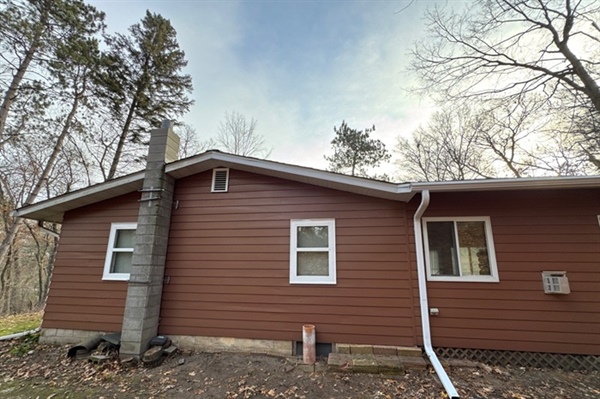
Minnesota’s climate creates unique challenges for exterior building materials. Homes experience long periods of freezing temperatures, heavy snow loads, humidity swings, hailstorms, and rapid freeze-thaw cycles that stress siding systems over time. These environmental factors affect expansion, contraction, moisture resistance, impact durability, and long-term performance. Choosing the right exterior material is not just a design decision—it plays a critical role in protecting structural components and maintaining energy efficiency in homes throughout the state.
Homeowners researching exterior upgrades often compare vinyl, fiber cement, engineered wood, and other modern siding systems to determine which performs best under Minnesota’s demanding weather conditions. Each material responds differently to cold temperatures, moisture exposure, storm impacts, and seasonal temperature swings. Understanding how these materials perform helps homeowners make informed decisions before investing in new siding. Companies such as Amigo Roofing regularly work with exterior materials designed to handle these conditions, making it important to understand the science and durability behind each option.
How Vinyl Siding Performs in Extreme Cold and Freeze-Thaw Cycles
Vinyl siding is one of the most widely installed exterior materials in cold-weather regions due to its flexibility and resistance to moisture absorption. Made primarily from polyvinyl chloride (PVC), vinyl does not absorb water, which prevents swelling, rotting, or structural deterioration during repeated freeze-thaw cycles. In climates like Minnesota, where temperatures frequently move above and below freezing during winter and early spring, this moisture resistance is a significant advantage because trapped water inside materials can expand during freezing and cause cracking or structural damage.
Temperature fluctuation remains a key factor in vinyl siding performance. Vinyl expands in warm temperatures and contracts in cold temperatures, which is why professional installation requires fastening methods that allow panels to move slightly within their mounting channels. Properly installed vinyl systems are designed with this thermal movement in mind. When installed incorrectly—such as when nails are driven too tightly—panels can warp or buckle as temperatures shift. In properly installed systems, expansion gaps and floating fasteners help maintain structural integrity during Minnesota’s seasonal temperature swings.
Cold temperatures can make vinyl slightly more brittle compared to its flexibility in warmer conditions. This characteristic means extreme impacts during sub-zero weather can cause cracking if the siding is struck with enough force. Despite that limitation, vinyl remains widely used due to its cost efficiency, low maintenance requirements, and resistance to moisture intrusion. Many homeowners researching exterior materials compare durability factors alongside maintenance expectations when evaluating siding materials that perform in cold-weather environments.
Fiber Cement Siding and Its Resistance to Hail and Storm Damage
Fiber cement siding is known for its exceptional resistance to impact damage, making it particularly suitable for regions that experience hailstorms and severe weather systems. Manufactured using a combination of Portland cement, sand, cellulose fibers, and water, the resulting boards form a dense and rigid structure capable of withstanding significant environmental stress. Independent impact testing has shown fiber cement panels resist denting and cracking better than many lightweight exterior materials when struck by hail or wind-driven debris.
Storm durability is closely tied to fiber cement’s density and dimensional stability. Unlike materials that soften or warp under temperature swings, fiber cement maintains consistent structural integrity across a wide range of temperatures. This stability prevents expansion-related distortion during freeze-thaw cycles and helps panels maintain tight seams and strong fastening points. Because Minnesota experiences intense storms with high winds and hailstones that can exceed one inch in diameter, fiber cement’s rigidity helps maintain protective exterior barriers even during severe weather events.
Another benefit of fiber cement siding is its fire resistance and resistance to pests such as termites and carpenter ants. The cement composition is non-combustible and does not provide organic material that insects can consume. While the material itself remains highly durable, proper installation and sealing are essential to prevent moisture from entering through joints or fastener penetrations. Fiber cement’s durability and impact resistance have made it a widely recommended option for homes exposed to frequent storm activity.
Siding Materials That Handle Moisture and Humidity Best
Moisture resistance is one of the most critical factors when selecting exterior siding in climates with snow accumulation, heavy rain, and seasonal humidity. Materials that absorb water can swell, warp, or degrade as trapped moisture expands during freezing conditions. Vinyl siding ranks highly for moisture management because PVC does not absorb water and includes overlapping panel designs that allow drainage and ventilation behind the cladding system.
Fiber cement siding also performs well in humid conditions due to its stable cement composition. Although the material itself is moisture resistant, it requires proper sealing and finishing to prevent surface absorption. Modern fiber cement boards are often factory-finished with durable coatings that improve resistance to water penetration and protect against mold or mildew growth. When installed with moisture barriers and flashing systems, fiber cement provides reliable performance in wet environments.
Engineered wood siding incorporates resins and wax coatings that improve resistance to moisture compared with traditional wood siding. These manufacturing treatments reduce water absorption while preserving the appearance of natural wood grain. Other materials, such as composite siding or insulated vinyl systems, also include built-in moisture management channels designed to allow airflow and drainage. Effective siding systems rely not only on the outer material but also on weather-resistant barriers, flashing, and proper installation techniques to manage water intrusion.
Engineered Wood vs. Traditional Wood Siding Durability
Traditional wood siding has been used in residential construction for centuries because of its natural appearance and workability. Common species such as cedar and redwood contain natural oils that help resist insects and decay. Despite these advantages, natural wood remains vulnerable to moisture infiltration, UV exposure, and fungal growth if not maintained regularly. Over time, untreated or poorly maintained wood siding can warp, split, or develop rot when exposed to repeated wet and dry cycles.
Engineered wood siding was developed to improve durability while maintaining the appearance of natural wood. It is manufactured using wood strands bonded with resins and compressed under high pressure to create dense, uniform boards. These boards are treated with waxes and binders that increase resistance to moisture penetration, fungal growth, and insect damage. Compared to solid wood boards, engineered wood products maintain greater dimensional stability when exposed to temperature changes.
Another advantage of engineered wood siding is its factory-applied protective coatings, which improve resistance to UV exposure and environmental wear. These coatings help preserve color and reduce the frequency of repainting. While engineered wood still requires maintenance, its resistance to swelling, shrinking, and cracking generally exceeds that of traditional wood siding. As a result, many modern construction projects favor engineered wood products when seeking the visual character of wood combined with enhanced structural durability.
Siding Options With the Longest Lifespan in Lake Elmo, MN
Longevity is influenced by both material composition and environmental exposure. In northern climates such as Lake Elmo, MN, siding must withstand temperature extremes, heavy snow accumulation, humidity changes, and occasional hailstorms. Fiber cement siding is widely recognized for its long lifespan, often exceeding 40 to 50 years when properly installed and maintained. Its cement-based composition resists rot, insect damage, and fire while maintaining structural integrity during temperature fluctuations.
Metal siding, including aluminum and steel systems, also offers exceptional longevity. These materials resist corrosion when properly coated and can last several decades without significant deterioration. Steel siding is particularly resistant to impact damage and extreme weather conditions, while aluminum siding provides lightweight durability and resistance to rust. Metal systems often include baked-on finishes designed to maintain color and reduce maintenance requirements over long periods.
High-quality vinyl siding products can also last 30 to 40 years or longer under favorable conditions. Advances in manufacturing have improved panel thickness, UV resistance, and insulation performance. Homeowners evaluating long-term exterior performance often compare durability ratings, maintenance expectations, and installation practices before selecting materials. Reliable information about exterior systems can be found through experienced contractors such as Amigo Roofing, who regularly work with siding materials designed to withstand Minnesota’s demanding climate.
Professional Exterior Solutions From Amigo Roofing
Choosing the right siding for Minnesota’s demanding climate requires an understanding of durability, moisture protection, and long-term structural performance. Materials such as vinyl, fiber cement, engineered wood, and metal siding all offer unique advantages depending on the specific conditions a home may face. Factors including freeze-thaw cycles, storm exposure, humidity, and long-term maintenance all influence which exterior system provides the most reliable protection.
Amigo Roofing provides exterior services designed to help homeowners protect their property from harsh environmental conditions. With extensive experience working on residential exteriors throughout the region, their team understands how different siding systems perform under Minnesota weather conditions. From evaluating storm damage to installing durable exterior materials, their professionals help homeowners make informed decisions about long-term exterior protection.
Homeowners seeking professional guidance can reach Amigo Roofing at (651)-204-0177 or visit their office at 1803 Buerkle Road Suite 102, White Bear Lake, MN 55110. Their team offers expert insight into siding materials, installation practices, and exterior protection strategies. To schedule a consultation or learn more about available exterior services, visit their website and contact us today.