When Should You Repair Siding Instead of Replacing It?
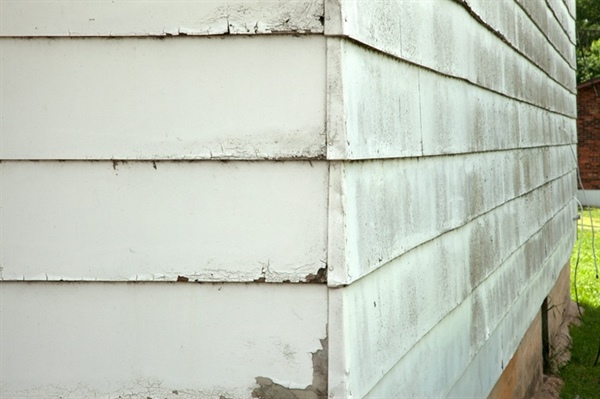
Siding protects a home from weather, moisture, and temperature fluctuations, but not every problem with exterior panels requires a full replacement. Many homeowners assume that visible damage automatically means replacing an entire wall or the entire exterior system. In reality, modern siding materials are designed with repairability in mind. Small sections can often be repaired or replaced individually, preserving the overall structure while restoring the protective barrier that keeps a home secure and energy efficient. Understanding when repairs are appropriate can help homeowners maintain the performance of their exterior without unnecessary disruption.
Amigo Roofing frequently encounters homeowners who are unsure whether visible issues indicate the need for a full replacement or a targeted repair. Determining the right approach depends on several factors, including the type of damage, the condition of the underlying structure, and whether repairs can restore both the function and appearance of the exterior. The sections below explore common scenarios homeowners face, including what types of damage can be repaired, how contractors inspect the structural layers beneath panels, and how storm or hail damage can sometimes be addressed without replacing the entire system. If you want to learn more about how exterior materials function and when targeted repairs are possible, explore more information about siding systems and maintenance considerations.
Types of Siding Damage That Can Often Be Repaired Without Full Replacement
Not every exterior defect requires a complete siding replacement. Many types of damage affect only small sections of the exterior cladding while leaving the underlying structure intact. Localized cracks, minor warping, small holes, and isolated impact damage can often be corrected by removing and replacing individual panels or sections. Modern siding systems—especially vinyl, fiber cement, and engineered wood—are manufactured in modular pieces that can be individually detached and replaced without disturbing adjacent areas. This design allows contractors to restore protective performance without dismantling the entire exterior.
Surface-level deterioration is one of the most common examples of repairable damage. Small cracks from thermal expansion, limited moisture exposure at seams, or minor impacts from debris can compromise the appearance of a panel while leaving the structural sheathing untouched. When this occurs, a technician can remove only the affected section and install a matching replacement panel. The repair restores water resistance, prevents further deterioration, and maintains the exterior barrier that shields framing and insulation from environmental exposure.
Localized problems caused by mechanical impact are another frequent repair scenario. Lawn equipment, falling branches, or accidental contact with tools can puncture or dent siding in a single location. In these cases, the repair typically involves replacing only the damaged piece rather than dismantling the entire wall. Understanding how modular exterior systems function makes it easier to evaluate whether a repair is feasible. For additional background on how these exterior systems are installed and maintained, homeowners can review information about siding materials and installation practices.
How Contractors Evaluate Structural Integrity Beneath Siding Panels
Before determining whether a repair is appropriate, siding contractors conduct a detailed inspection of the structural layers behind the visible panels. Exterior siding is only one component of a multi-layer protective system. Beneath the cladding typically lies a weather-resistant barrier, sheathing panels, insulation layers, and the structural framing of the home. The condition of these components determines whether damage is cosmetic or whether deeper structural concerns are present.
Inspection often begins with a visual survey of the exterior surface. Contractors look for signs of distortion, water staining, uneven panel alignment, or fastener failure that could indicate hidden issues behind the siding. Moisture meters, infrared imaging tools, and selective panel removal are sometimes used to assess the condition of the sheathing and underlying framing. These diagnostic methods help determine whether moisture intrusion has occurred or whether structural materials remain stable.
If the underlying sheathing and framing are dry, intact, and structurally sound, repairs can typically focus only on the outer cladding. When damage is limited to exterior panels, technicians can remove affected sections and restore the exterior envelope without disturbing the rest of the structure. This approach maintains the integrity of the home while minimizing unnecessary material removal and construction disruption.
Repairing Storm-Damaged Siding Without Changing the Home’s Appearance
Storms frequently cause localized siding damage from wind-driven debris, tree branches, or airborne objects. When the impact affects only isolated panels, targeted repair is often possible. Contractors remove the damaged pieces and install replacement panels that match the existing profile, color, and material type. Because most siding systems are manufactured in standardized dimensions, repairs can often blend seamlessly with the surrounding sections when the correct materials are used.
Maintaining a consistent appearance depends heavily on matching the original product line and installation pattern. Contractors examine panel dimensions, locking mechanisms, and fastening systems to identify compatible replacements. In many cases, siding manufacturers maintain consistent panel profiles across production runs, allowing replacement panels to align correctly with existing courses. This precision ensures that repairs maintain the structural weather barrier while preserving the visual uniformity of the exterior.
Environmental exposure can sometimes create slight color variation between older panels and new replacements due to ultraviolet fading. When that occurs, contractors may reposition panels from less visible areas or adjust repair locations to maintain a balanced appearance. These techniques help ensure the repaired section integrates smoothly with the rest of the exterior.
When Isolated Hail Damage Can Be Repaired Instead of Replacing Entire Siding Sections
Hailstorms can create small dents, cracks, or punctures in siding panels depending on the material and the size of the hailstones. When hail damage occurs in scattered locations rather than across entire walls, repairs may be limited to those specific sections. The feasibility of repair depends on the distribution of impacts, the material type, and whether the damage affects the structural integrity of the panel.
Vinyl and aluminum siding frequently experience localized dents or fractures during hail events. When impacts occur in only a few panels, technicians can detach and replace those pieces individually. Fiber cement siding may develop surface chips or cracks from hail strikes; if the damage is limited to isolated boards, targeted replacement of those boards can restore the exterior barrier while maintaining the original installation layout.
The key factor in determining repair viability is whether the surrounding panels remain intact and properly secured. If the fastening system, moisture barrier, and structural sheathing are unaffected, localized repairs can restore performance without dismantling the entire exterior wall assembly.
Cost Differences Between Siding Repair, Partial Replacement, and Full Replacement
The cost of exterior siding work varies widely depending on the scope of damage and the amount of material involved. Targeted repairs typically represent the lowest-cost option because they focus only on the damaged areas rather than the entire building envelope. Repair projects generally involve removing a limited number of panels, installing replacements, and verifying the integrity of the surrounding materials.
Partial replacement occupies the middle range of siding project costs. This approach may involve replacing an entire wall section or elevation of the home when damage is widespread in one area but not throughout the entire structure. Contractors remove the affected panels, inspect the underlying layers, and install new siding across the designated section while preserving the remaining exterior areas.
Full siding replacement represents the most extensive level of work and typically occurs when materials have reached the end of their service life or when structural damage affects large portions of the exterior envelope. In those cases, removing the entire siding system allows contractors to inspect all structural layers and install a new cladding system designed for long-term durability. Homeowners seeking guidance about exterior repairs and maintenance strategies can learn more through the resources available at Amigo Roofing.
Professional Siding Evaluation and Repair Services
Determining whether siding should be repaired or replaced requires careful inspection of both the visible panels and the structural components behind them. Localized damage, isolated hail impacts, and storm-related panel failures can often be addressed with targeted repairs when the underlying sheathing and framing remain intact. A professional evaluation helps identify whether the issue is cosmetic, structural, or related to moisture intrusion so the correct solution can be applied.
Amigo Roofing provides exterior inspections and repair services designed to help homeowners protect the structural integrity of their homes. Their team evaluates panel condition, moisture barriers, and fastening systems to determine whether repairs, partial replacement, or full replacement is the most appropriate solution. By examining the entire exterior envelope, they help identify the root cause of siding damage and restore the protective barrier that shields homes from Minnesota weather conditions.
Homeowners who notice cracked panels, storm damage, or potential hail impacts can contact Amigo Roofing for a professional inspection and guidance on the next steps. The company is located at 1803 Buerkle Road Suite 102, White Bear Lake, MN and can be reached at (651)-204-0177. If you want to schedule an inspection or ask questions about siding repair options, visit their website and contact us to connect with their team.