How Can Siding Improve Energy Efficiency in Minnesota Homes?
Minnesota homeowners know that winter can be relentless. Temperatures often stay below freezing for weeks, and heating systems work around the clock to maintain comfortable indoor conditions. While insulation and HVAC efficiency get much of the attention, exterior siding also plays a critical role in controlling heat loss. The outer cladding of a home serves as a protective barrier against wind, moisture, and extreme temperature shifts. When properly installed and paired with modern insulation systems, siding helps stabilize indoor temperatures and reduce the energy needed to keep a home warm.
Exterior upgrades such as modern siding can influence how efficiently a home performs throughout the winter months. At Amigo Roofing, exterior remodeling work often highlights how building envelope improvements contribute to better thermal performance. In the sections ahead, we will examine several key topics that shape energy efficiency in Minnesota homes: whether insulated siding reduces heating costs, how siding installation affects thermal performance, the role house wrap plays in exterior insulation systems, whether new siding can eliminate drafts and cold spots, and how energy-efficient siding materials influence long-term utility expenses.
Insulated Siding and Its Impact on Heating Costs During Minnesota Winters
Minnesota winters place extreme demands on residential heating systems. When outside temperatures drop well below freezing, homes lose heat through conduction, air infiltration, and thermal bridging. Insulated siding is designed to reduce these losses by incorporating rigid foam insulation directly behind the exterior panels. This layer increases the wall assembly’s overall R-value, which measures resistance to heat flow. Higher R-values slow the transfer of heat from inside the home to the cold exterior environment, allowing interior spaces to maintain warmth for longer periods without continuous heating.
Energy research conducted by the U.S. Department of Energy shows that walls account for roughly 20–35% of heat loss in a typical home when insulation levels are inadequate. Insulated siding addresses this by adding a continuous layer of insulation across the exterior wall surface. Unlike cavity insulation placed between studs, continuous insulation helps reduce thermal bridging, a process where heat escapes through structural framing. By limiting this pathway, insulated siding helps maintain more consistent interior temperatures and reduces the workload placed on furnaces and boilers.
Exterior systems that combine rigid insulation with durable cladding have become a common upgrade in cold climates. Modern installation methods often pair insulated panels with properly sealed seams and integrated moisture barriers. Systems that incorporate upgraded siding assemblies provide a protective envelope that helps retain indoor heat while shielding the structure from wind-driven cold air and moisture infiltration.
How Professional Siding Installation Improves Overall Thermal Performance
Thermal performance in residential construction depends on the effectiveness of the entire building envelope. The siding layer itself does not provide insulation alone; instead, it functions as part of a multi-layer system that includes sheathing, insulation, house wrap, and air sealing. When installed correctly, siding protects these layers and helps maintain their effectiveness by preventing exposure to moisture, wind pressure, and temperature fluctuations.
One of the primary ways siding installation improves thermal performance is by strengthening the home’s air barrier. Small gaps or improperly sealed exterior surfaces allow cold air infiltration during winter months. Air leaks can significantly increase heating demand because warm indoor air escapes while cold air enters the structure. Careful installation techniques — including flashing around windows, sealed joints, and proper fastening — help limit these air pathways and stabilize indoor temperatures.
Exterior remodeling contractors in Minnesota frequently work with siding systems that complement other energy-efficiency improvements such as upgraded insulation, soffits, fascia components, and weather-resistant barriers. Companies such as Amigo Roofing, serving homeowners in White Bear Lake, Minnesota, routinely install siding as part of broader exterior renovation projects that improve the durability and thermal protection of the home’s outer shell.
The Role of House Wrap in Exterior Insulation Systems
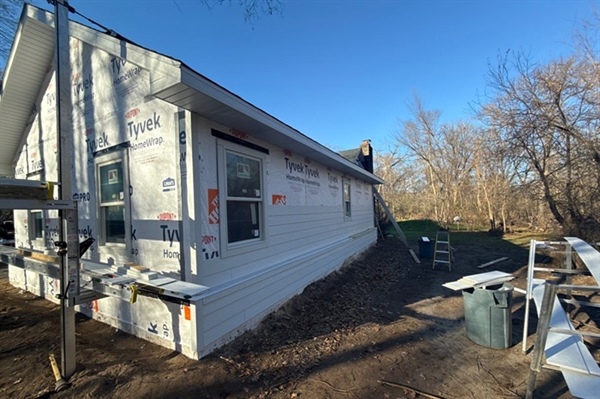
House wrap is a weather-resistant barrier installed between the exterior wall sheathing and siding. Its primary function is to protect the building envelope from wind and water infiltration while allowing water vapor to escape from inside the wall assembly. This balance is essential in cold climates such as Minnesota, where moisture trapped within walls can lead to insulation degradation, mold growth, and structural damage.
From an energy-efficiency perspective, house wrap significantly improves the performance of insulation by reducing air infiltration. Wind pressure can push cold air through small gaps in the building envelope, lowering the effective R-value of insulation materials. A properly installed house wrap creates a continuous air barrier that blocks this movement, helping insulation maintain its intended thermal resistance.
Building science studies have demonstrated that air leakage accounts for a substantial portion of residential heat loss during winter. By sealing the exterior sheathing and directing water away from structural materials, house wrap helps maintain a dry, stable wall system. When combined with exterior insulation and siding, this barrier contributes to a more controlled interior environment with reduced energy loss.
How New Siding Can Reduce Drafts and Cold Spots in a Home
Drafts and cold spots inside a home typically occur when exterior walls allow uncontrolled air movement or heat loss. Older siding materials may warp, crack, or separate from the structure over time, creating pathways for outside air to enter the wall assembly. Once these pathways develop, cold air can infiltrate the interior living space, creating temperature differences between rooms and causing heating systems to run more frequently.
New siding systems are designed with improved fastening systems, interlocking panels, and integrated insulation options that help create a tighter exterior shell. These features reduce gaps between panels and reinforce the protective barrier that surrounds the home. When combined with modern installation practices such as sealed flashing and improved moisture barriers, siding upgrades help limit unwanted air exchange between indoor and outdoor environments.
Reducing drafts not only improves comfort but also improves the efficiency of heating equipment. When interior temperatures remain consistent throughout the home, furnaces and heat pumps cycle less frequently and operate more efficiently. As a result, rooms remain more comfortable during Minnesota’s coldest months while energy consumption stays more predictable.
How Energy-Efficient Siding Materials Influence Long-Term Utility Costs
Energy-efficient siding materials contribute to long-term utility savings by reducing heat loss and stabilizing indoor temperatures throughout the year. Insulated vinyl siding, fiber cement panels combined with exterior insulation, and composite cladding systems all contribute to improved thermal resistance when integrated into a properly designed wall assembly. These materials work by slowing the transfer of heat through exterior walls and protecting insulation from environmental exposure.
Long-term energy savings are often the result of multiple improvements working together. Exterior upgrades frequently include siding replacement, upgraded flashing systems, improved moisture barriers, and enhancements to soffits, fascia, and gutters. These improvements strengthen the durability of the building envelope and protect structural components from moisture intrusion that could otherwise reduce insulation effectiveness.
Exterior renovation specialists such as Amigo Roofing frequently perform siding installations as part of larger exterior improvement projects that include roofing, gutters, windows, and other structural upgrades. These improvements contribute to a more energy-efficient home by creating a well-sealed, weather-resistant exterior that supports consistent indoor comfort and lower heating demand over time.
Work With Trusted Exterior Specialists for Energy-Efficient Siding Upgrades
Improving energy efficiency in Minnesota homes often begins with strengthening the building envelope. Upgrading siding, improving exterior insulation systems, and sealing the outer structure of the home can significantly reduce heat loss during harsh winters. Projects that incorporate modern siding materials, moisture barriers, and professional installation methods help create a more durable and energy-efficient exterior.
Amigo Roofing provides exterior remodeling services designed to enhance both the performance and appearance of residential properties. Their team works on siding installations, roofing projects, gutter systems, windows, and additional exterior improvements that support long-term home protection. With experience working on homes throughout the Northeast Twin Cities area, they understand how Minnesota’s climate affects building materials and energy efficiency.
If you want to learn how siding upgrades can improve comfort, reduce drafts, and strengthen your home’s insulation system, the team at Amigo Roofing can help guide you through your options. Contact them today to discuss your project, request an estimate, or learn more about exterior improvements designed for cold-weather performance.
Amigo Roofing
1803 Buerkle Road Suite 102
White Bear Lake, MN 55110
Phone: (651) 204-0177
Reach out today to contact us and schedule a consultation about your siding or exterior remodeling project.