How Does Minnesota’s Climate Impact the Lifespan of a Roof?
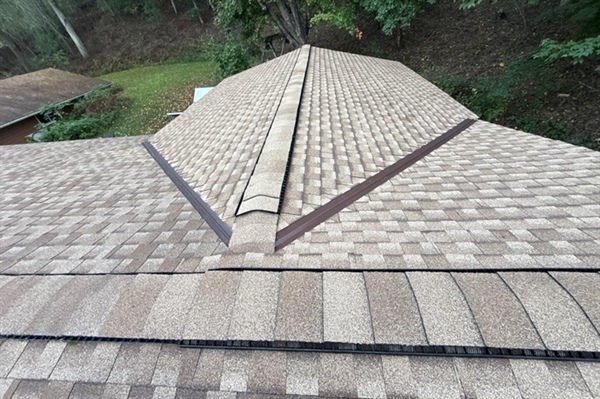
Minnesota’s climate places unique demands on residential and commercial roofs. From prolonged winter freezes to intense summer heat, roofing systems across the state experience wide temperature swings and severe weather patterns that can accelerate wear on materials. Snow accumulation, freeze–thaw cycles, and seasonal storms repeatedly stress roofing structures and surfaces. Understanding how these environmental factors influence roofing performance is important for homeowners who want to protect their property and extend the functional lifespan of their roof.
In regions like Minnesota, roofing materials must withstand months of snow load, frequent temperature fluctuations, and periods of intense UV exposure during the summer. These conditions influence everything from shingle durability to structural load capacity and moisture resistance. Throughout this article, we will examine several key factors that determine how the climate affects roofing longevity, including how freeze-thaw cycles deteriorate roofing materials, which materials perform best in harsh winters, how heavy snowfall impacts structural loads, whether summer heat accelerates shingle aging, and how often roofs should be inspected after weather exposure. Homeowners exploring roofing systems in northern climates often begin by understanding how these climate forces affect long-term roof performance. Amigo Roofing regularly operates in these conditions, which makes the topic especially relevant for property owners in this region.
How Freeze–Thaw Cycles Gradually Damage Roofing Materials
Freeze–thaw cycles are one of the most destructive climate-related processes affecting roofs in northern states. This cycle occurs when daytime temperatures rise above freezing and nighttime temperatures fall below 32°F. When snow or ice melts during warmer daytime periods, water infiltrates small cracks and pores within roofing materials. As temperatures drop again overnight, the trapped water freezes and expands by roughly nine percent in volume. This expansion creates internal pressure that widens cracks in shingles, flashing, and underlayment materials over time.
Repeated freeze–thaw cycles accelerate material fatigue. Asphalt shingles, for example, contain mineral granules embedded in a bitumen base. Water infiltration followed by expansion can gradually loosen these granules, reducing UV protection and leaving shingles more vulnerable to environmental exposure. Flashing joints and sealant lines can also separate as expansion forces pull materials apart. Over many winters, this process contributes to leaks, premature shingle deterioration, and weakened roof edges where water infiltration occurs most often.
Ice dams are another direct result of freeze–thaw processes. When heat escaping from an attic warms sections of the roof, snow melts and flows toward colder eaves. At the roof edge the meltwater refreezes, creating ridges of ice that trap additional water behind them. This standing water can back up beneath shingles and penetrate the roof deck. Roof systems designed for northern climates often incorporate ventilation, insulation, and durable roofing assemblies to limit moisture infiltration and reduce the mechanical stress caused by repeated freezing cycles.
Roofing Materials That Perform Best in Minnesota Winters
Minnesota winters require roofing materials capable of maintaining structural integrity during prolonged exposure to cold temperatures, snow accumulation, and ice formation. Not all roofing products perform equally under these conditions. Asphalt shingles remain one of the most widely used roofing materials due to their affordability and ease of installation, but architectural or laminated shingles typically perform better than basic three-tab versions. These thicker shingles offer improved wind resistance and durability, which helps them withstand winter storms and freeze-thaw stress.
Metal roofing systems are another material commonly recommended for cold climates. Metal roofs naturally shed snow because of their smooth surface and steeper installation angles. This characteristic reduces snow accumulation and decreases the risk of excessive roof load. Metal roofing panels also expand and contract with temperature changes without the same cracking risks associated with brittle materials. Their resistance to moisture infiltration makes them particularly effective during heavy snow seasons.
Synthetic roofing materials and composite shingles have also gained popularity in northern climates. These materials are engineered to resist cracking, moisture absorption, and temperature-related brittleness. Proper installation techniques, ventilation systems, and insulation are also critical components of winter performance. Roofing contractors who install cold-climate roof systems often prioritize materials specifically engineered for freeze resistance and water shedding properties.
How Heavy Snowfall Influences Roof Structure and Load Limits
Snow accumulation adds significant weight to roofing systems. Fresh dry snow may weigh roughly 5 to 20 pounds per cubic foot, while wet snow can weigh more than 40 pounds per cubic foot. When large storms deposit several feet of snow on a roof, the cumulative weight can reach thousands of pounds distributed across the roof structure. Building codes in northern states account for these loads by specifying minimum structural requirements for rafters, trusses, and decking.
Structural load capacity is calculated using snow load design standards established in building codes. These calculations consider geographic snow averages, roof slope, and building dimensions. Flat or low-slope roofs tend to accumulate deeper snow layers because gravity does not easily shed the snow. Steeper roofs allow snow to slide off more easily, reducing sustained weight loads but increasing the need for snow guards to prevent sudden snow slides.
Excessive snow load can lead to structural stress, roof sagging, or in rare cases roof collapse. Uneven snow accumulation can also create localized stress points that exceed design limits. Ice buildup further compounds this problem by trapping meltwater that adds additional weight. For these reasons, structural design and roofing materials must be selected carefully in regions that experience heavy snowfall each winter.
How Summer Heat and UV Exposure Shorten the Life of Asphalt Shingles
Although Minnesota is known for its cold winters, summer heat also plays a significant role in roofing deterioration. Asphalt shingles rely on petroleum-based compounds that become softer at higher temperatures. During prolonged summer heat waves, roof surface temperatures can exceed 150°F. At these temperatures, asphalt compounds begin to lose flexibility and slowly oxidize, a process that causes shingles to become brittle over time.
Ultraviolet radiation accelerates this aging process. The mineral granules covering asphalt shingles serve as the primary defense against UV exposure. Over years of sun exposure, these granules loosen and wash away through rain and wind erosion. Once granules are lost, the underlying asphalt layer is exposed directly to sunlight, which accelerates thermal degradation and shortens the functional life of the shingle.
Thermal cycling also contributes to shingle fatigue. Roofing materials expand during hot daytime temperatures and contract as temperatures drop at night. These repeated expansion cycles place stress on fasteners, sealants, and shingle bonds. Over time this movement weakens the adhesive strips that hold shingles in place, making them more vulnerable to wind damage and lifting.
How Often Minnesota Homeowners Should Inspect Roofs After Weather Exposure
Regular roof inspections are critical in climates that experience extreme seasonal weather patterns. In Minnesota, roofing systems are exposed to heavy snowfall, freezing temperatures, ice formation, spring rainstorms, and intense summer heat. Each of these weather conditions can introduce damage that may not be immediately visible from the ground. Routine inspections help identify early warning signs before small issues develop into structural problems.
Most roofing professionals recommend at least two inspections per year in northern climates. One inspection typically occurs in the spring after winter snow and ice have melted. This allows property owners to evaluate damage caused by ice dams, freeze-thaw expansion, and snow load stress. A second inspection is commonly performed in the fall before the onset of winter to confirm that shingles, flashing, and ventilation systems are ready for the upcoming cold season.
Additional inspections may also be necessary after major storms that produce hail, heavy winds, or severe snowfall. These evaluations help identify lifted shingles, flashing separation, or structural shifts caused by weather stress. Homeowners researching roof maintenance practices often consult companies such as Amigo Roofing to better understand how seasonal climate exposure influences roof performance and inspection frequency.
Minnesota’s climate presents unique challenges for roofing systems. Freeze–thaw cycles, heavy snowfall, seasonal storms, and intense summer heat all influence how long a roof will last and how well it protects a home. Addressing these environmental stresses requires careful material selection, proper installation techniques, and routine maintenance inspections that identify problems early.
Amigo Roofing works with homeowners throughout the region to address these climate-related roofing concerns. Located at 1803 Buerkle Road Suite 102, White Bear Lake, Minnesota, the company focuses on roofing systems designed to withstand northern weather conditions. Their team evaluates issues related to freeze-thaw damage, snow load stress, material durability, and seasonal roof maintenance. Homeowners who want guidance about roof performance or weather-related roof wear can speak directly with a roofing professional for detailed recommendations.
If your roof has been exposed to severe winter storms, summer heat, or long-term weathering, contacting a professional roofing team can help determine the next steps. Amigo Roofing can provide inspections, repairs, and replacement solutions that address Minnesota’s demanding climate conditions. To learn more about scheduling an inspection or discussing roofing options, call (651)-204-0177 or visit their website to contact us.